Tag: Consumer Behavior

  • Don’t Ask Your Friend How Much They Spent on Groceries

    Don’t Ask Your Friend How Much They Spent on Groceries

    An interesting new trend of the last few years has been the ability to order groceries and have them delivered to your doorstep. Several businesses are making money by taking advantage of our increasing laziness (or busyness) and delivering high quality foodstuffs to our homes and collecting nominal delivery fees. (Lifehacker outlines more reasons why you should have your groceries delivered.)
    Online Grocery Shopping

    This trend and a recent study by dunnhumby (a consumer science firm) which empirically demonstrated that streaks of price sensitivity exist among all types of consumers got me thinking about the future of pricing in the grocery delivery space.
    Airfare

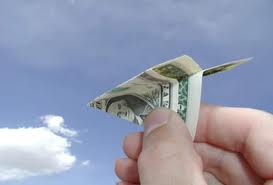
    It is common knowledge not to ask your cabin mate on your LaGuardia (NYC) to Midway (CHI) flight how much they paid for their ticket. One of you is bound to be upset. Primarily because we purchase airline tickets in an imperfect information environment, airline companies are able to charge a wide variations of prices to customers. The academic term for this is price discrimination.

    I think the same possibility is lurking around the corner for grocery delivery services.
    images-1

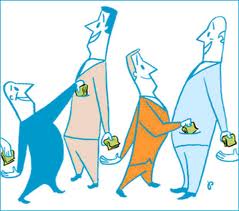
    Imagine that a companies like FreshDirect begins to generate more traffic than brick-and-mortar grocers such as Piggly Wiggly. As customers begin to trust grocery delivery services more and more, their knowledge of what others are paying for groceries decreases–or at least is controlled by their primary grocery provider.

    If grocery deliverers were to monitor the price sensitivity of its consumers and target each segment according to the research from the dunnhumby report, it is quite possible that a company like FreshDirect could charge your neighbor a few dollars less for the same basket of goods because they proved to be more price sensitive.

    What do you think? Do you agree/disagree? Join the conversation in the comments section below.
  • Consumer Behavior Trends: We’re Tired of Waiting!

    Consumer Behavior Trends: We’re Tired of Waiting!

    Here are 3 trends I’m noticing in consumer behavior that all impact my life (and subsequently, other millennials) in some way, shape or form.

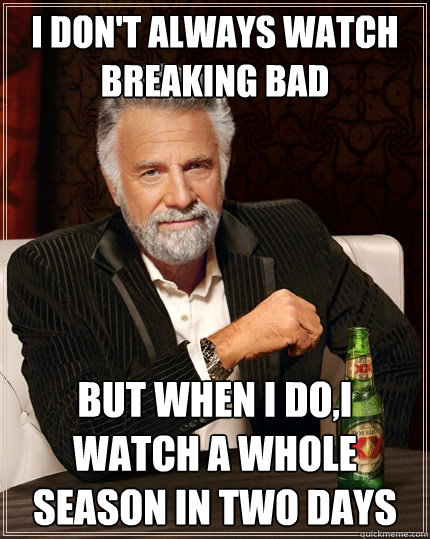
    1. Binge TV-watching

    Primary suspects: Breaking Bad, Scandal, Orange is the new Black

    I think we are all guilty of this one. Instead of waiting for TV networks to show new episodes like the generation before us, subscription services like Netflix and Hulu have made it possible for average viewers to take the term “couch potato” to a whole new level.

    enhanced-buzz-23905-1341948858-0

    I think it’s evident that someone will eventually develop into an entirely ala carte TV-subscription service where customers can pick and choose the networks and even the shows that they are interested in watching on those networks.

    2. Using online stores’ “Find it in store” feature before attending a physical store

    Primary suspects: Apparel, Consumer electronics,

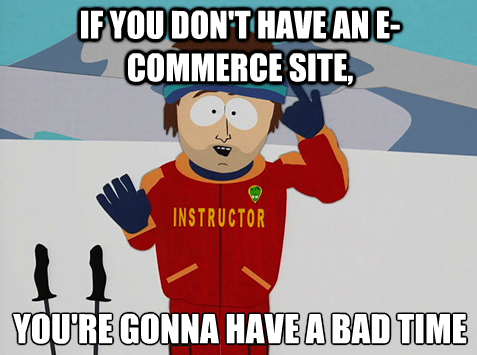
    Online-Shopping-meme

    I think a lot of businesses are on to something with the advent of “find it in store” functionality on their websites. Unfortunately for them, it may not generate the kind of online revenue that they had hoped. At least in my case, I tend to use that function to figure out when to actually visit the store. Living in New York, just about every imaginable store is within an hour journey and I’m still interested in seeing, touching, and “trying on” things that I purchase.

    At the same time, I hate waiting. I know that if Old Navy’s website says a pair of pants is available in store, I’m much more likely to visit that store to buy the pants than buy them online. Instant gratification beats 4-5 days shipping & handling every time (even if I don’t plan on going to Old Navy for a week).

    Until we see a revolutionized returns process, I think this trend will continue and several businesses will start to see their online sales dip while their traffic increases.

    3. Shareable transportation

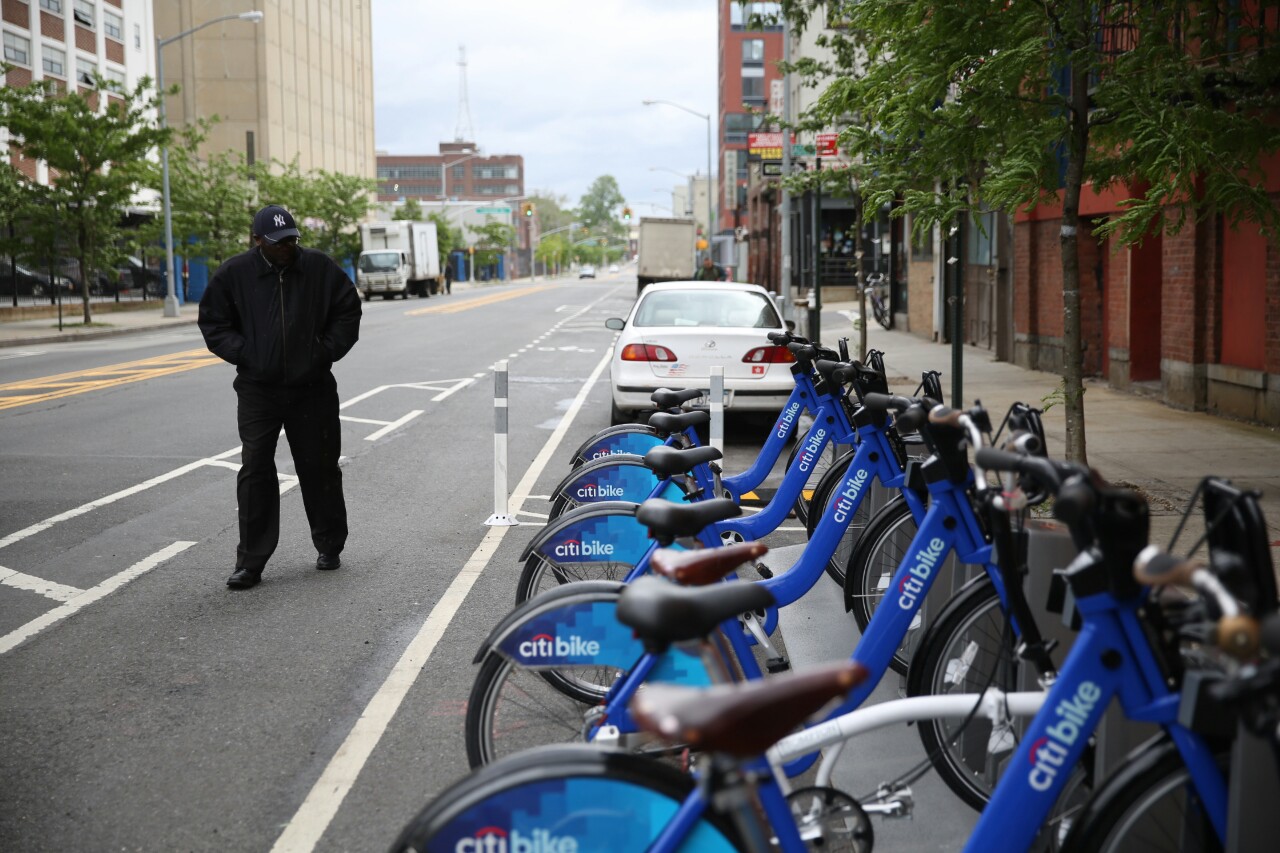
    Primary suspects: Zip car, Bike share systems

    As millennials achieve higher education and migrate to major cities, personal transportation is likely to take a backseat to public transportation. However, many of us still see a need to have an element of privacy to our public transportation options. Hence, we see the onset of shareable transportation alternatives.

    tumblr_mnd2vcbcB31sr9fobo1_1280

    Again we see a theme of impatience with millennials. My guess is that because we don’t like to wait for common public transportation choices such as buses or trains, we are likely to choose a more immediate and personal option in a CitiBike (NYC) or ZipCar. These options hedge the risk of buying or leasing a bike or car until we can afford it (Another thing we hate waiting for!).

    I suspect that these shareable forms of technology will get cooler and more sustainable to attract millennial-types into the next generation.

    Honorable Mentions

    1. Pretzel buns
    2. Neon everything

    Are you witnessing any of these trends? Have you noticed any others? Comment below!