What can cross-cultural research teach us about the possible consequences of preferences that readily come to mind? We investigate this question in this project titled, Deny the Voice Inside
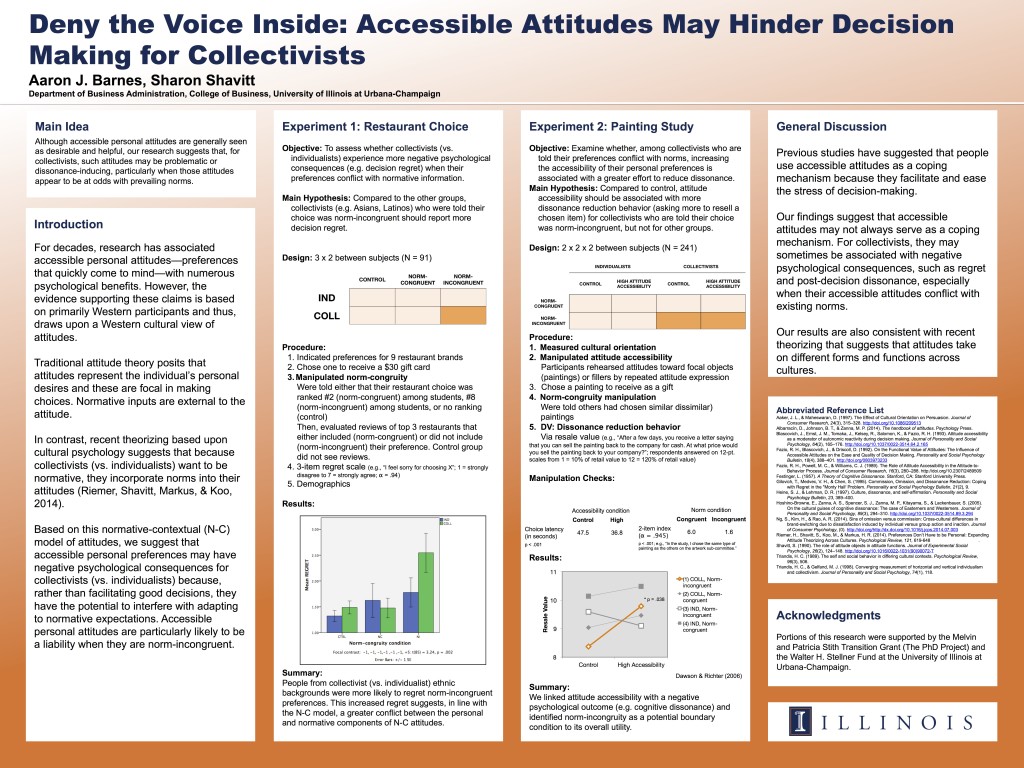
What can cross-cultural research teach us about the possible consequences of preferences that readily come to mind? We investigate this question in this project titled, Deny the Voice Inside

It’s been about two weeks since Super Bowl Sunday, do you still remember your favorite advertisements?
My guess is, probably not.
Click here if you need a refresher of best commercials from the past 50 Super Bowls.
Creatives already fight an uphill battle selling the return-on-investment of television advertisements. It’s almost impossible for an organization to trace a purchase back to the ad that influenced it. Still, companies continue to behave irrationally when deciding their advertising budget. Many of the big players copy the marketing expenditures of their competitors explaining why Super Bowl ads continue to amass the highest revenues among television broadcasts.
But why? Especially if we forget them in just a few days. Makes you wonder if they’ll ever change their ways..

How well do you know how you’ll react to situations? Could you control your emotions in situations that you know would send you over the edge? Would you describe yourself as a good judge of other’s emotions? If you answered yes to any of these questions, then you might have a high EQ, or emotional quotient. An EQ is a measurement of Emotional Intelligence. Take a quick assessment of your personal EQ here.
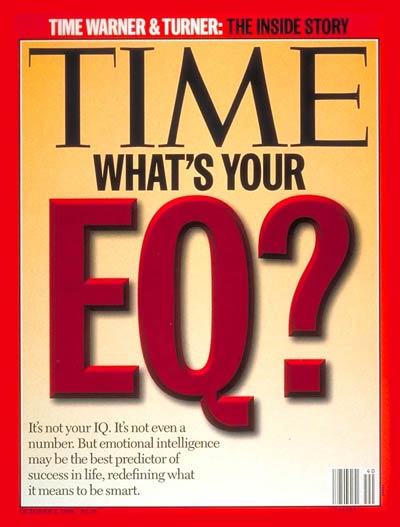
Discussions regarding emotional intelligence are occurring in more and more classrooms around the country. Educators and academic administrators recognize the numerous benefits of improved emotional intelligence. As this concept proliferates our public education system and becomes a mainstay in grade school curriculum, I start to wonder how much it will affect marketers’ ability to exploit our emotions.
Behavioral economist, George Loewenstein is just one of several researchers who have helped us understand that emotions have a huge affect on your purchasing decisions. Marketers know this and are fervently at work trying to best position their products and advertisements to capitalize on our emotional vulnerability. Just watch a couple episodes of Mad Men on Netflix.
Some research suggests that a higher emotional quotient improves purchase decisions. This makes sense on the surface. Emotional intelligence varies widely amongst the American population. Most people probably overestimate their own ability to perceive, control, or evaluate emotions. Therefore, the select few in our society who have high EQs are probably among the rational decision-making elite. The rest of us are shamefully susceptible to the emotional ploys that marketers make on our subconsciouses.
With that considered, you would think that businesses would want to prevent emotional intelligence from being taught in schools at such a young age. More emotionally intelligent consumers would likely make it more difficult to sell impulse tubs of Ben & Jerry’s and the like. However, I think that the closer our school systems’ curriculums get to standardizing emotional intelligence, the quicker American society will become emotionally captive consumers.
Think of the recent increase in technology exposure and education. My 2 year old nephew already understands how to manipulate touch screen devices and other electronics. By the time he is an active consumer, he will be a prime target for the slew of technological advances that await us in the future. As technological knowledge became easily available through increased exposure and proliferation throughout American society, our economy reaped the benefits (debatable, I suppose) of a correlated spike in technological consumer goods.
In a similar fashion, I think future generations will be even more vulnerable to emotional marketing campaigns than we are today. The ability to educate on emotional intelligence assumes the teacher obtains a certain amount of knowledge on the subject. In other words, if mainstream America increases its baseline emotional intelligence by a certain amount, imagine how much more experts on the subject will know and be able to use for their benefit?
Admittedly, I’m being a little pessimistic, but imagine it for a second. Do you think it could happen? Could you withstand the emotional onslaught? Feel free to comment and share below!

An interesting new trend of the last few years has been the ability to order groceries and have them delivered to your doorstep. Several businesses are making money by taking advantage of our increasing laziness (or busyness) and delivering high quality foodstuffs to our homes and collecting nominal delivery fees. (Lifehacker outlines more reasons why you should have your groceries delivered.)

This trend and a recent study by dunnhumby (a consumer science firm) which empirically demonstrated that streaks of price sensitivity exist among all types of consumers got me thinking about the future of pricing in the grocery delivery space.

It is common knowledge not to ask your cabin mate on your LaGuardia (NYC) to Midway (CHI) flight how much they paid for their ticket. One of you is bound to be upset. Primarily because we purchase airline tickets in an imperfect information environment, airline companies are able to charge a wide variations of prices to customers. The academic term for this is price discrimination.

Imagine that a companies like FreshDirect begins to generate more traffic than brick-and-mortar grocers such as Piggly Wiggly. As customers begin to trust grocery delivery services more and more, their knowledge of what others are paying for groceries decreases–or at least is controlled by their primary grocery provider.
If grocery deliverers were to monitor the price sensitivity of its consumers and target each segment according to the research from the dunnhumby report, it is quite possible that a company like FreshDirect could charge your neighbor a few dollars less for the same basket of goods because they proved to be more price sensitive.
What do you think? Do you agree/disagree? Join the conversation in the comments section below.
Stuart Elliot of the New York Times recently wrote about how Tumi Holdings is challenging the luxury luggage industry’s common marketing practice of using the most recognizable celebrities as brand endorsers.
I had never heard of Tumi before this article (why would I? I’m not a high-class world-traveler…yet), but I have definitely heard of some of the company’s celebrity-laden competition. Huge, world players such as Coach, Louis Vuitton, and Samsonite occupy this space and most of them use well known celebrities to communicate their brand’s exclusivity and luxuriousness.
Tumi, however, is taking a much more interesting approach at this. They’re challenging whether or not their target audience, or “global citizens” as Tumi describes them, identify more with mega-stardom or more attainable success within specific industries.

I imagine that Tumi’s hope is that their “global citizen” target customer who views their advertisements would ask himself, “What makes them famous?” and reason, “I have a moment. Let me Google them.” Upon doing so, they’d find out that Novak Djokovic, one of Tumi’s B-list celebrity endorsers, is ranked world no. 1 by the Association of Tennis Professionals. Of course the ideal scenario is that the customer gets lost in google’s labyrinth of information and somehow connects all of that time and energy spent back to Tumi–that’s the kind brand engagement that companies dream of.
Agent Obvious asks, “What if the target customer dismisses the B-list endorser turns to the Angelina Jolie Louis Vuitton advertisement out of sheer face-recognition?”
I think that is a risk Tumi is willing to take. They are already miles behind industry leaders in terms of market share and revenue, so I’d say that they’re looking for any way to differentiate themselves from the market leaders and establish a deeper psychological connection with their consumers.
They’re hoping that consumers believe it easier to achieve success as a business executive of a Fortune 500 company, like Tumi endorser Paolo Ferrari of Pirelli, than it is to become a movie or pop-star. If Tumi can position themselves closer to where their target consumers envision themselves, it might spell success for the 28-year old firm.
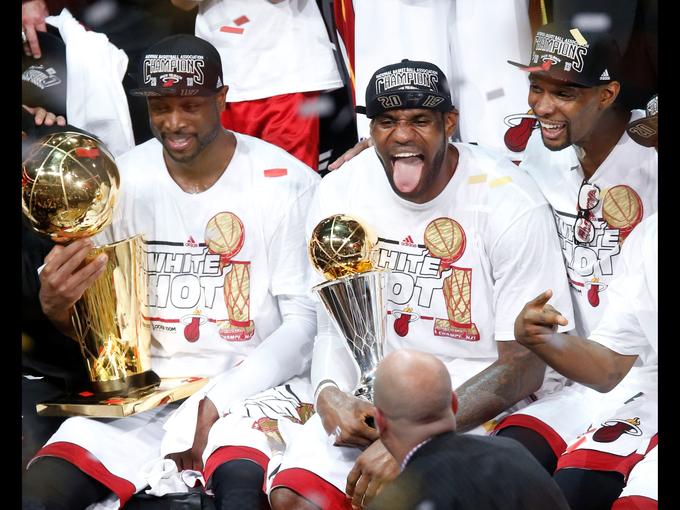 It would be equivalent to Reebok partnering with a college basketball star who didn’t get drafted to the NBA, but accomplished notable professional feats and retained his basketball skills well enough to lead his local intramural team to a championship.
I plan on following Tumi for a few quarters to see if their new ad campaign has any traction and raises their quarterly performance. What do you think of their strategy? Comment below!