Tag: E-Commerce

  • Change Recurring Billing Date in Stripe without PHP

    Change Recurring Billing Date in Stripe without PHP

    One challenge of running a subscription business is your subscribers’ payment dates. If you use Stripe to process your recurring payments and don’t know PHP, it’s almost impossible to change a subscriber’s billing date. Here’s a simple workaround to make this change without using a single line of PHP code.

    I like knowing how many people are subscribed for a given month as far in advance as possible. It’s difficult to do that when people sign up in mid-February, receive February’s subscription, and do not have to pay again until mid-March for March’s subscription. This can put you in the vulnerable position of sending products before receiving payment, leading to inconsistent cash flows and unreliable revenue projections over time. I started a subscription business precisely so that I don’t have to waste time hounding customers to pay invoices. 

    Note: You can ignore this warning if your customers never experience problems with their payment method. Life has taught me otherwise.

    Here’s how you do it.

    1. Find the subscription in your Stripe dashboard

    2. Click “Update subscription”

    3. Uncheck “Prorate changes”

    4. Delete the current subscription

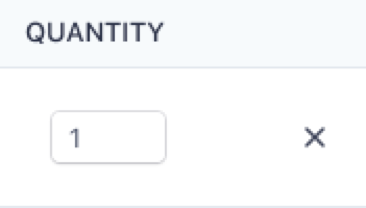
    5. Click “Add a product” and choose the new subscription for your customer (for me, it’s the same subscription with the same interval and price)

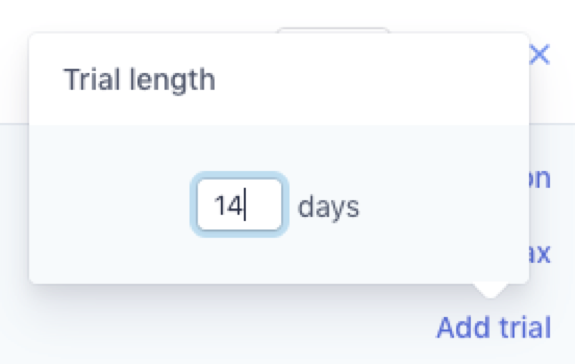
    6. Click “Add trial” and enter the number of days between the current date and the date you want their next payment to process. For instance, today is March 1. If I wanted Strip to process payment on the 15th, I would enter 14 for the trial period.

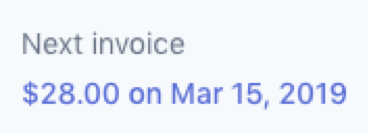
    7. Click “Update subscription” and check to make sure the next invoice will charge the correct amount on the correct date. This will be right under your customer’s name on their subscription page.

    And that’s it! Keep in mind, this method works best for customers who have already paid for the current month’s subscription. That means that it’s best to change your subscriber’s billing date shortly after payment has processed. 

  • The “Why” Inside Dapper Black Box

    The “Why” Inside Dapper Black Box

    The subscription service business platform is a growing phenomenon. It adheres to the shoppers desire of convenience and cost-efficiency. Hear from Dapper Black Box Founder, Aaron Barnes, as he breaks down the “Why” inside the box as their company also adheres to some shoppers third desire, consciousness.

    The first thing many of us do when we decide to buy black is search for black-owned directories online. Poring over google search engine pages, Facebook groups, Tumblr threads, and the like, you can come across dozens of directories without a lot of overlap.

    That’s a big problem. It’s such a big problem that I thought I wanted to fix it at first.

    Encouraging investment

    But the more I thought about what I really wanted for a business that I created, Dapper Black Box’s mission emerged. Dapper Black Box (DBB) exists to encourage investment into black-owned businesses (BOBs).

    Though business directories certainly do this, I wanted to take a more direct route.

    Championing collective energy

    One critique I have of black-owned directories was that it they make it difficult for consumers to choose between options. There are few signals to the consumer that any business is better positioned to meet his needs. At the same time, it’s in every independent business’ interest to self-promote, but when everyone is saying, “Look at me! Buy from me!” it’s hard to choose who to buy from. I thought DBB could serve as a third-party entity focused on championing the collective energy that each individual business puts out into the digital marketplace. In other words, DBB says, “Look at all of this amazing work that BOBs are doing in this space!”

    Selling an idea

    It was when I focused on the idea of encouraging investment into black businesses that creating DBB to be a subscription service began to make sense. Not only are subscription services an easy-to-manage business model for my day-career, but they are also an excellent vehicle for advancing our mission.

    Again, DBB exists to encourage investment. Using a subscription business model allows us to encourage consistent investment by recycling the recurring payments back into black-owned businesses. We go beyond pointing to worthy BOBs and make it easy to support them by curating 4–5 items from different brands each month.

    Continuing to meet our audience’s needs

    Now that we’ve sent over 2,500 subscriptions in less than 2 years, I’m convinced that we’re beginning to meet a need in the market. Our goals over the next phase of DBB’s growth are to continue to meet our target audience’s needs by expanding what it means to be dapper and celebrating blackness more generally.

    We’re addressing the first need by connecting BOBs that don’t clearly fit a traditional “dapper” definition with our partner, Impact Service Promotions (sp?). ISP is a BOB within my family in-law that helps supply businesses with thousands of promotional materials. We have partnered with ISP to supply developing BOBs with promotional materials that can help get the word out about their businesses.

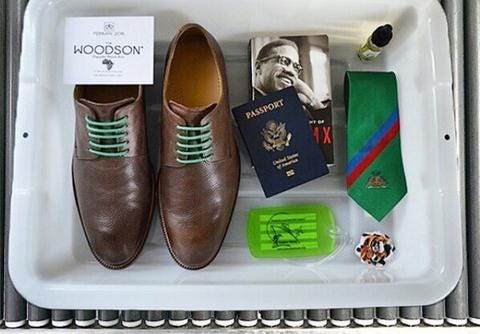
    I’m especially excited about how we’re addressing the second need. DBB subscribers/followers know that we name each month’s curation after an influential black man (e.g., March’s DBB was named in honor of Clarence Avant). Up until the middle of 2016, we did not provide much information about the DBB namesake. Now, however, we’re digitally chronicling information about each DBB namesake through our YouTube series, “The Bigger Picture.”

    I’m always happy to discuss ideas about how DBB can continue to meet your needs. Please do not hesitate to contact me directly at aaron@dapperblackbox.com so we can chat!

    This article was originally published in Magnepels’ Blog on 4/6/17.

  • How to Start a Subscription Box Business

    How to Start a Subscription Box Business

    For the past year, my subscription box business, Dapper Black Box, has been a great creative outlet for me to satiate my entrepreneurial urges, support a cause I care about, and generate some residual income while I pursue my doctoral degree.

    This post is meant to provide some general guidelines to starting a subscription box business based on my personal experience with starting one last year.

    So, here goes. I’m going to infuse stories from my personal entrepreneurial path to add some color to this list. Keep in mind, though, that your journey–should you choose to take it–will undoubtedly have its own twists and turns that make it unique. My general guidelines are meant to help you plan for some of the major hurdles that I’ve experienced.

    Click here to skip to the full list without my rambling.

    Pre-Step: Get Your Money Right

    Every business has costs. Anyone who tells you different is trying to hustle you.

    When I say “pre-step,” I mean that having your money right is something to consider before you seriously think about starting a subscription box business or any business for that matter.

    To “have your money right” means one of two things in my view:

    1. Save some of your own money over a period of time and call it your ‘personal equity in an untitled business endeavor’ and/or
    2. Have your plan in mind to raise money to fund your business endeavor.

    A good friend of mine and fellow Kelley grad always talked about new business ideas together. We joked a few times that we had laughed away many ideas that had eventually gotten XX million dollars in venture capital. One day, I had enough. I told my friend, “I’m tired of watching other people develop businesses that we came up with. The next idea that comes to mind, I’m going to just go for it.”

    One day, I had enough. I told my friend, “I’m tired of watching other people develop businesses that we came up with. The next idea that comes to mind, I’m going to just go for it.”

    Step 1: Have a Great (read: Specific) Idea

    Success in the subscription business is all about specialization. I think that people subscribe to any service because it fulfills at least one specific need. Dapper Black Box hopes to fulfill our consumers’ specific need for an easy way to support black-owned businesses. It also helps our subscribers enhance their dapper lifestyle with new accessories and personal care items every month.

    Take some time to think about your businesses mission and core goals. Try to envision who the ideal subscriber might be. For Dapper Black Box, the ideal subscriber is my brother-in-law, so I reached out to him when I was developing the idea to get a sense of what he would look for in our kind of service and why he would subscribe and stay subscribed (besides being my bro).

    Step 2: Claim Your Territory

    As soon as I brainstormed enough names and settled on one, I immediately claimed the digital real estate by purchasing a web domain and locking down all of the relevant social media handles. I wanted to make sure that my business name was distinct from other players in the landscape, so I looked into other subscription companies directed at black people and men. I noted what I liked and didn’t like to clarify my positioning in the market.

    Sidenote: I just recently protected Dapper Black Box by applying for a trademark. You may want to do that a little earlier than I did, but there are several much smarter people who can advise you on this specific topic. Just Google it.

    Step 3: Put Out Some Feelers

    As I mentioned in Step 1, I reached out to my brother for feedback because he was my target consumer. Before that, I called a few friends in the fashion industry to get a sense of whether an idea like this would be well-received. Their feedback continues to help shape Dapper Black Box into what it is today. In addition, by including the right friends and potential suppliers in my developing stages, I began building a foundation of future supporters to help spread the word.

    I also used this time to build a presence on social media platforms. Instagram is my favorite, so I spent most of my time there. “Building a presence” for me meant posting, following, liking, and commenting on posts that were consistent with my mission. I wanted to be recognized by others who were also a part of the collective economics conversation.

    Step 4: Make It Official

    Set a launch date and make a plan to achieve it. For Dapper Black Box, it was many months from when the idea first formed.

    It made sense for DBB to form an LLC and file EIN paperwork. Your business will likely have similar formation needs. Check out your local secretary of state for pricing. I formed my LLC in Indiana because it was cheaper and I have access to a home address.

    Step 5: Plan Ahead

    You want to make sure that your business has at least a few months of suppliers lined up. Don’t put off coordinating your curations until the last minute. Your suppliers and your customers will thank you. With Dapper Black Box, I planned out the first 6 months of suppliers and when I would reach out to them because I had a lot of other things going (e.g., wedding, honeymoon, 2nd year in the Ph.D. program). It helped relieve my stress and keep the early hurdles relatively low.

    Step 6: Collect and Reinvest

    I think one of the smartest ways to fund your subscription box is to solicit pre-subscriptions. It’s a simple idea really. Ask your most loyal followers to sign up for the inaugural subscription box by a pre-determined cutoff date. Use your social media accounts to drum up some drama building up to your date and allow the rest to fall into place. Make sure your website has been pretested so that there aren’t any hiccups for your first (and likely, longest) subscribers. to build cash reserves and initial purchase quantity. Made a cut off date to build a sense of scarcity.

    Pre-subscribers are great because if you’re disciplined, you can use the upfront cash to fund nearly your entire operation for the first few months. In our case, we used the pre-subscribers’ money to purchase the first month’s items and shipment supplies.

    Step 7: Continue to Innovate

    I know it’s easy to think that the hard work you did in Step 1 was innovative enough. In the words of the poet, Khaled Mohammed Khaled, “Don’t play yourself.” Try not to stagnate your own progress by getting complacent. This has been my personal challenge area.

    Continuing to innovate has been my personal challenge area.

    The doctoral program provides a great excuse, but my business and its subscribers don’t care about that. Your subscribers won’t care about your excuses either. Take some time throughout your process to think of new ways to wow your subscribers and grow your business. I’ll let you know when I come up with a good way to do that with regularity.

    Executive Summary

    Pre-step. Get your money right

    1. Have a Great (read: Specific) Idea
    2. Claim Your Territory
    3. Put Out Some Feelers
    4. Make It Official
    5. Plan Ahead
    6. Collect and Reinvest
    7. Continue to Innovate
  • Consumer Behavior Trends: Mobile Payments are the Wave [Infographic]

    Consumer Behavior Trends: Mobile Payments are the Wave [Infographic]

    In light of Paypal’s most recent update that allows customers to make purchases from thousands of merchants using your online Paypal balance, I decided to look further into what’s going on in this mobile space. It’s incredibly fascinating…and utterly terrifying. I found this infographic to help explain what’s going on in the area.

    The most important mobile payment infographic. Ever.

    The most important mobile payment infographic. Ever.

    On one hand, paying for goods/services with mobile devices is technologically forward.

    Mercator Advisory Group just released a study explaining how minorities and adults are leading the way with mobile payment use.

    This makes sense.

    What makes this finding interesting is that these two populations loosely define the Millennial generation–the future of this country’s consumer base. millennials 2This means that researchers like me will be interested in investigating what elements are at play when/if they decide how they interact with mobile environments. Wish me luck, lol.


    The Federal Reserve Bank of Boston confirms this research area by reporting that consumers almost never switch their payment type over time. This means that if minorities and young adults latch on to mobile payments like the above report suggests, then they will be pretty loyal to this method into old age. (Think about all the seniors you’ve stood behind in the grocery store who still pay with check!)

    On the other hand, what about all of the consumer data that businesses will be able to collect?

    Big-Brother-is-Watching

    We’re already concerned with the data that Facebook has on us and they’re getting into the mobile payments business as well. Think about how much more poignant the information Paypal will be able to analyze as they suggest nearby businesses that accept Paypal payments that are within a quarter mile of your workplace.

    1. They’ll know where you spend a lot of your time.
    2. They’ll have loads of information about your purchase preferences
    3. Who knows what else they’ll know…

    One company found that their customers were largely resistant to mobile payments perhaps for that very reason. I think that mobile payments will take over the majority of daily purchases. Like most revolutionary ideas, it’s scary at first. Decades from now, we’ll wonder how we ever got along without them.

    What do you think? Do you use mobile payments already? What do you think of them? Discuss in the comments.

  • Consumer Behavior Trends: We’re Tired of Waiting!

    Consumer Behavior Trends: We’re Tired of Waiting!

    Here are 3 trends I’m noticing in consumer behavior that all impact my life (and subsequently, other millennials) in some way, shape or form.

    1. Binge TV-watching

    Primary suspects: Breaking Bad, Scandal, Orange is the new Black

    I think we are all guilty of this one. Instead of waiting for TV networks to show new episodes like the generation before us, subscription services like Netflix and Hulu have made it possible for average viewers to take the term “couch potato” to a whole new level.

    enhanced-buzz-23905-1341948858-0

    I think it’s evident that someone will eventually develop into an entirely ala carte TV-subscription service where customers can pick and choose the networks and even the shows that they are interested in watching on those networks.

    2. Using online stores’ “Find it in store” feature before attending a physical store

    Primary suspects: Apparel, Consumer electronics,

    Online-Shopping-meme

    I think a lot of businesses are on to something with the advent of “find it in store” functionality on their websites. Unfortunately for them, it may not generate the kind of online revenue that they had hoped. At least in my case, I tend to use that function to figure out when to actually visit the store. Living in New York, just about every imaginable store is within an hour journey and I’m still interested in seeing, touching, and “trying on” things that I purchase.

    At the same time, I hate waiting. I know that if Old Navy’s website says a pair of pants is available in store, I’m much more likely to visit that store to buy the pants than buy them online. Instant gratification beats 4-5 days shipping & handling every time (even if I don’t plan on going to Old Navy for a week).

    Until we see a revolutionized returns process, I think this trend will continue and several businesses will start to see their online sales dip while their traffic increases.

    3. Shareable transportation

    Primary suspects: Zip car, Bike share systems

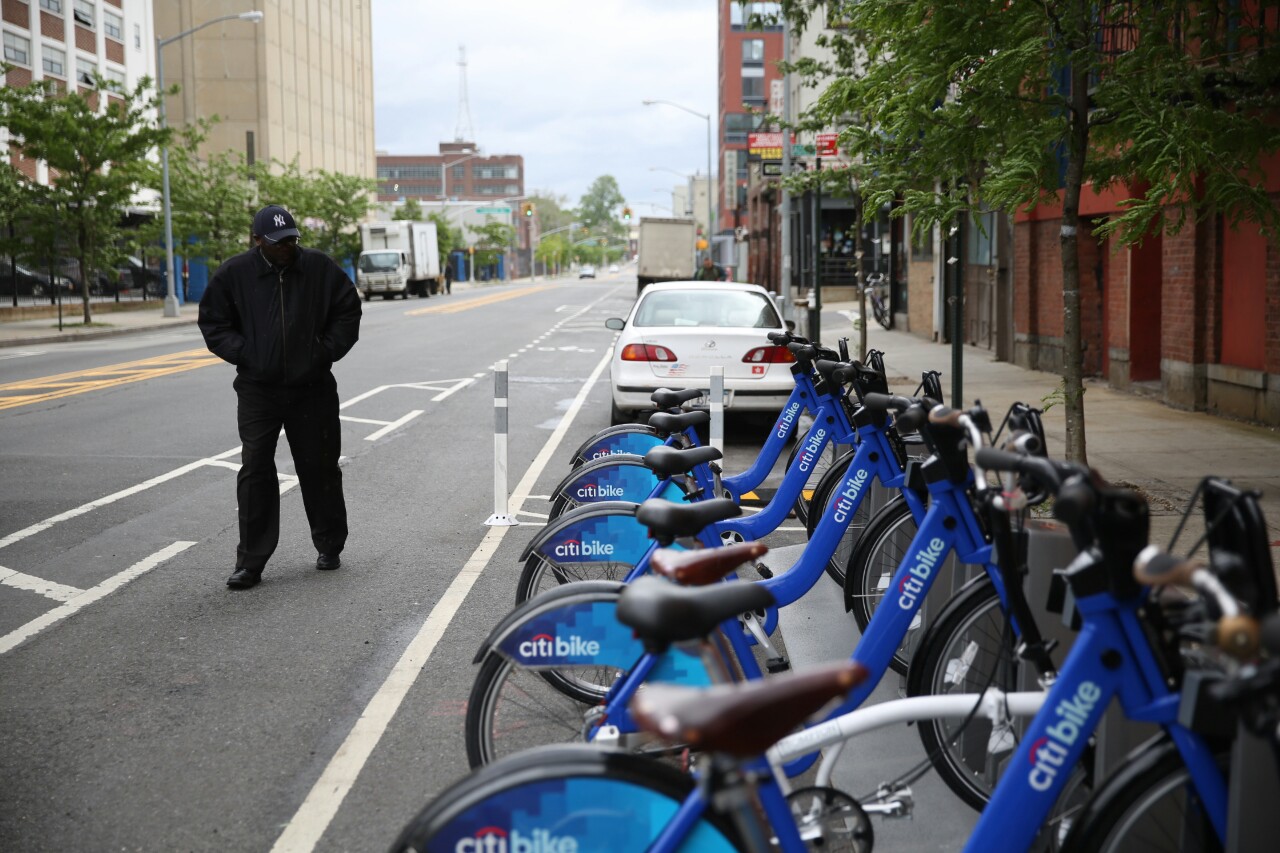
    As millennials achieve higher education and migrate to major cities, personal transportation is likely to take a backseat to public transportation. However, many of us still see a need to have an element of privacy to our public transportation options. Hence, we see the onset of shareable transportation alternatives.

    tumblr_mnd2vcbcB31sr9fobo1_1280

    Again we see a theme of impatience with millennials. My guess is that because we don’t like to wait for common public transportation choices such as buses or trains, we are likely to choose a more immediate and personal option in a CitiBike (NYC) or ZipCar. These options hedge the risk of buying or leasing a bike or car until we can afford it (Another thing we hate waiting for!).

    I suspect that these shareable forms of technology will get cooler and more sustainable to attract millennial-types into the next generation.

    Honorable Mentions

    1. Pretzel buns
    2. Neon everything

    Are you witnessing any of these trends? Have you noticed any others? Comment below!